
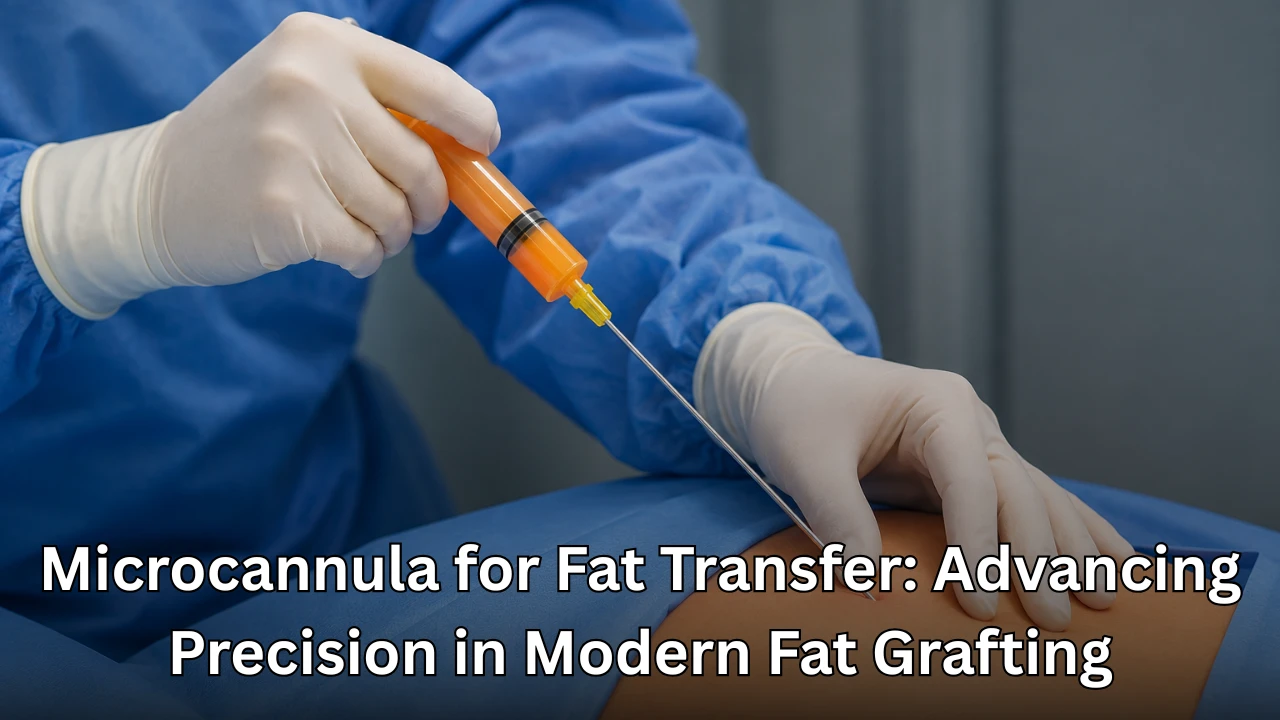
Fat grafting is a surgical method that requires precision. A small mistake can seriously affect the final result. If you are a cosmetic surgeon, you may know how hard it is to get precise results with traditional needles. This is where a microcannula for fat transfer comes in. In fact, they actually change how most surgeons place fat and get smoother results. In this blog, we will discuss what makes microcannulas popular and whether you should use them.
What is a Microcannula for Fat Transfer?
Microcannulas are thin tubes with a blunt tip. The best part is that they’re flexible and treat larger areas. These tubes have one or more side openings. This lets you transfer fat easily and effectively. Everything is under your control. In fact, the chances of making mistakes are low with these needle alternatives. Surgeons often call this method cannula-assisted fat transfer. Most importantly, you can precisely inject fat where needed. So, getting the best results is no longer difficult. This is why more and more surgeons in the USA have already switched to microcannulas for fat transplantation.
Why Does Precision Matter in Fat Grafting?
People often get this treatment to make uneven areas even again. And without precise fat transfer, it is almost impossible to improve the appearance of that area. If fat is added to the wrong place, patients can end up with visible bumps. Small deposits are actually safe and effective for offering better results. Most importantly, every drop of fat needs the right spot to deliver lasting results.
Microcannula vs. Needle for Fat Transfer
These are two options you have for fat grafting treatment. But both of them work differently. Want to know the differences? Here you will get all the differences between microcannula and traditional needles:
1. Tip Design
A needle has a sharp point that cuts through tissue. A microcannula has a rounded tip that slides through the tissue.
2. Diameter
A needle has a sharp point that cuts through tissue. A microcannula has a rounded tip that slides through the tissue.
3. Length
Cannulas are often longer than needles. That extra length lets you treat a wide area through one small entry point.
4. Flexibility
Microcannulas are known for their flexibility. They can move through tissues. So you can treat a larger area without puncturing multiple sites.
5. Port Configuration
Needles release fat from one open end. Microcannulas often carry side ports that spread out the fat evenly.
Applications of Microcannulas in Fat Transfer
Surgeons now use microcannulas for fat grafting procedures. Here’s where they help most.
1. Facial Fat Transfer
Facial regions need slight fat transfers. Thin microcannulas let you add a small amount of fat to the required areas without causing visible lines.
2. Body Contouring
Popular fat transfer treatments like breast and buttock augmentation often need larger-gauge microcannulas to move bigger fat volumes safely. You still keep full control over shape and balance.
3. Contour Refinement
Smaller cannulas are often used for fine contour work like smoothing a scar edge or combining a transition zone.
4. Reconstructive Applications
Microcannulas also help in post-mastectomy breast reconstruction or correcting congenital contour defects.
Techniques Used With Microcannula for Fat Transfer
Most surgeons depend on a few main techniques to get the most out of microcannulas. The retrograde linear threading method involves injecting fat while pulling the cannula back. Fanning spreads fat in a wider area from a single entry point. The multiple-pass method places small amounts in several tissue layers instead of one deep pocket. Learning the right microcannula injection technique helps you match the patient’s goals.
Choosing the Right Fat Transfer Cannula
Choosing the right microcannula for fat transfer isn’t easy. A few factors influence the decision.
1. Cannula Diameter and Gauge
Smaller gauges suit thin facial areas. Larger gauges move more fat for body procedures.
2. Cannula Length
Shorter cannulas fit tight facial spaces well. Longer ones cover wider body areas from a single entry point.
3. Tip Configuration
Rounded tips lower tissue trauma, and some tips enter smoothly.
4. Number and Placement of Ports
Side ports near the tip spread fat evenly, and more ports often mean gentler distribution per pass.
5. Cannula Flexibility
A flexible cannula follows tissue contours naturally, while a stiffer one gives more control in dense tissue.
6. Material and Construction
Surgical stainless steel remains the standard choice for most surgeons. The best part is that it holds its shape even after repeated sterilization.
7. Compatibility With the Intended Fat-Processing Method
Check that the bore size matches your fat-processing method to keep the procedure smooth.
8. Intended Anatomical Application
Breast, buttock, and hand procedures require different cannula sizes and shapes.
9. Manufacturer Specifications and Instructions for Use
Always follow the manufacturer’s guidelines. A trusted USA-based microcannula manufacturer will list exact specs on the packaging.
Safety and Clinical Considerations
Choosing a good cannula is not enough. You must understand safety and clinical considerations. Here are the essential things you must know:
1. Anatomy Understanding
Before starting the procedure, you need a clear picture of the vascular and nerve anatomy in the treatment area.
2. Careful Fat Distribution
Small deposits last better than large clumps. So a slow and steady technique beats rushing.
3. Considering Injection Depth and Tissue Planes
Staying in the right tissue plane lowers complication risk. This matters most in gluteal fat grafting, where deep injection can turn dangerous fast.
4. Sterilization and Device Handling
Proper sterilization between passes keeps infection risk low. Careful handling also protects the tip from damage.
5. Potential Complications
Fat embolism and fat necrosis can still happen, even with good technique. Awareness helps surgeons catch problems early.
6. Training and Clinical Judgment
No tool replaces hands-on training. You must build real skill through practice and ongoing education in fat grafting.
The Future of Precision Fat Grafting
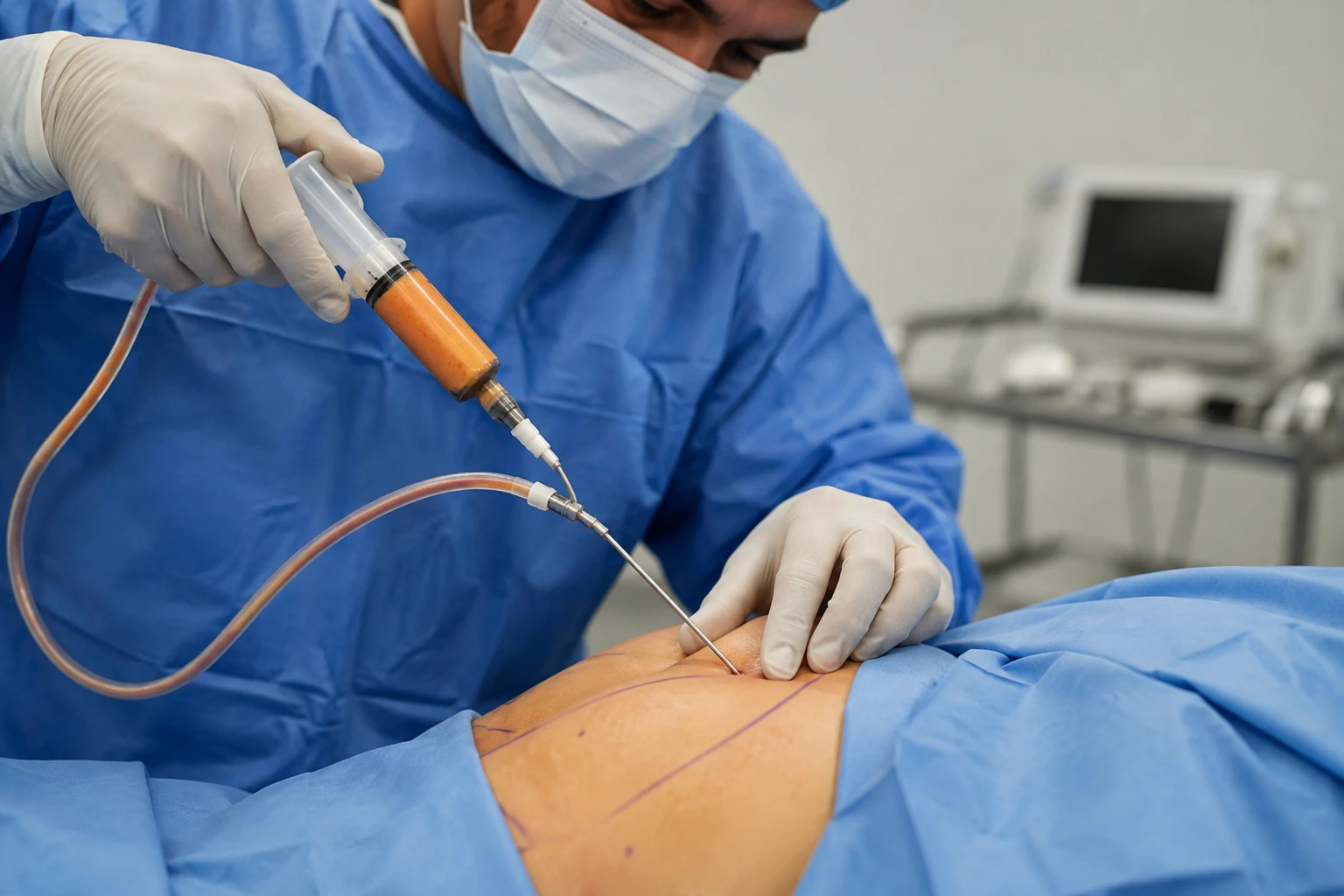
Fat grafting keeps moving toward more control and better predictability. Here is where things are going.
1. Increasing Focus on Controlled Fat Placement
You need control over exactly where fat lands and survives. Toolmakers keep building devices around that exact goal.
2. Continuous Development of Cannula Design
Cannula makers keep testing new tip shapes and materials. This improves fat survival and reduces trauma.
3. Increasing Connection to Individualized Treatment
Fat grafting is shifting toward custom plans that match each patient’s anatomy and goals.
4. More Consistent Outcomes
Better tools paired with better technique mean more predictable results.
Conclusion
Fat grafting has evolved over time. And the tools behind it keep getting smarter and safer. Microcannula for fat transfer gives surgeons more control and better odds of natural-looking results. BLUNTIP-USA offers a range of quality microcannulas that will make your fat grafting procedures more precise and controlled. That way, you can give patients the best results every time. Ready to upgrade your toolkit? Explore microcannula solutions built for cosmetic fat transfer procedures.