Professional Usage of Micro Cannulas in the Aesthetic Industry
Beauty treatments have really changed a lot over the years. People want results that look actually natural. And they want less pain and faster recovery. That’s exactly why more professionals are choosing micro cannulas in the aesthetic industry. If you have been curious about what micro cannulas are, why doctors and injectors love them, or how they’re used in real treatments. This blog breaks it all down in simple language. No confusing medical jargon. Just straight-up, useful information.
What Are Micro Cannulas?
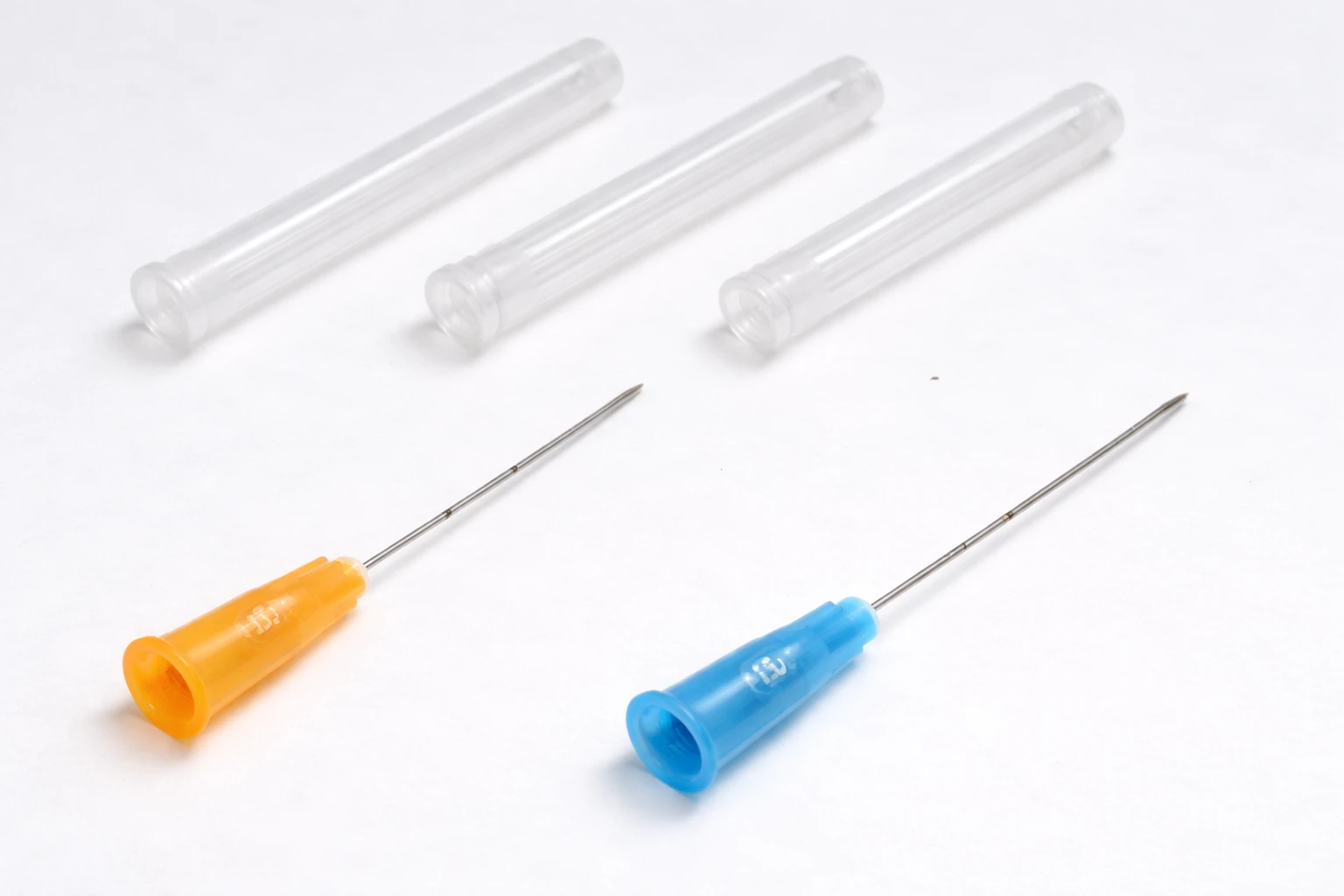
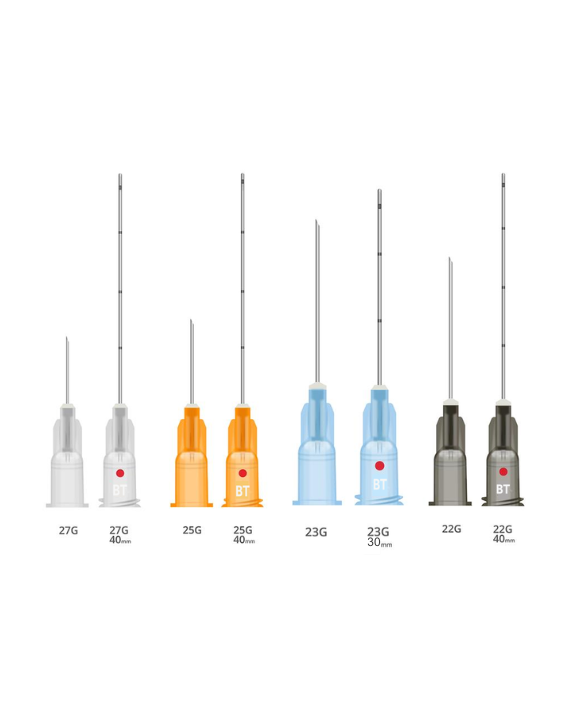
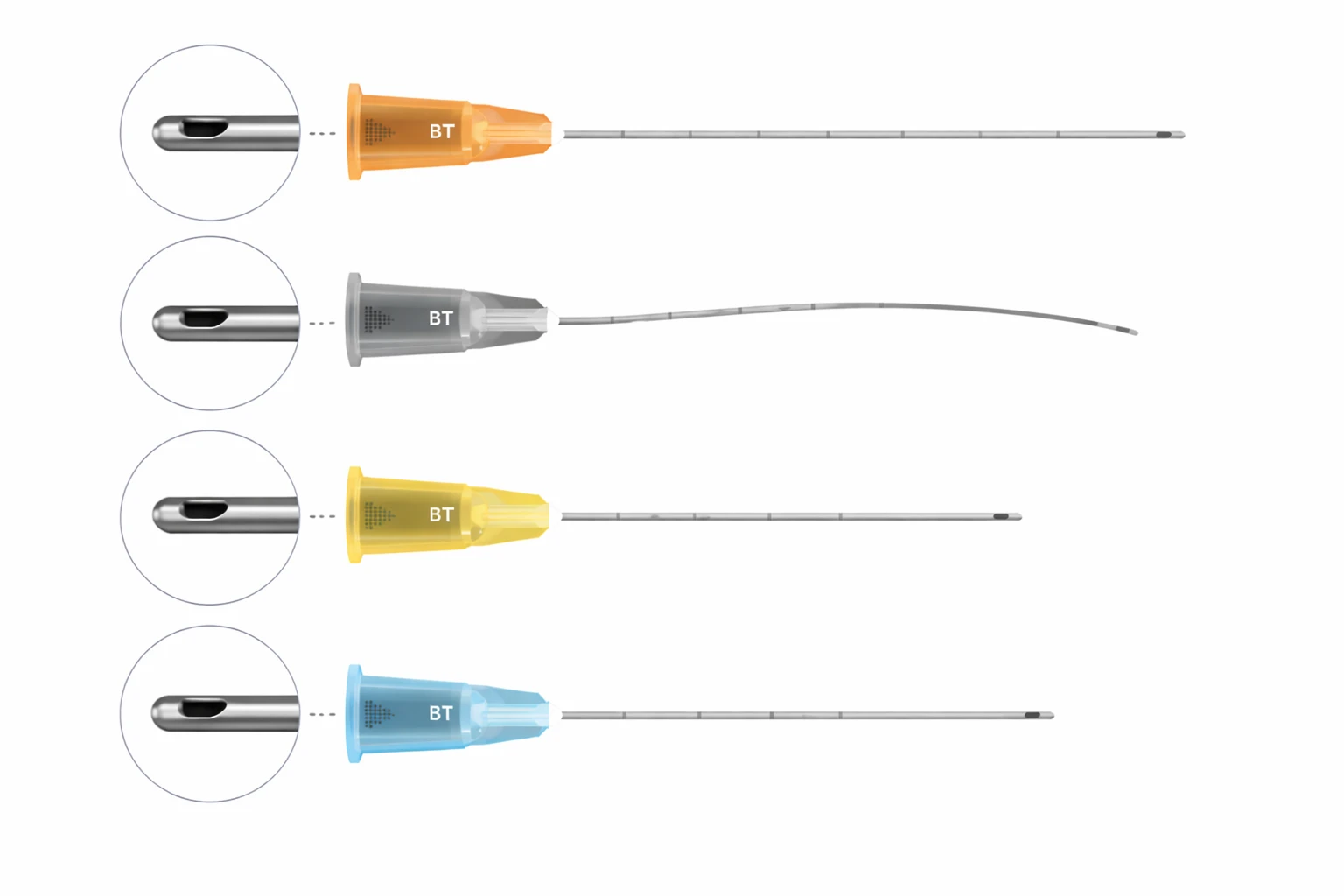
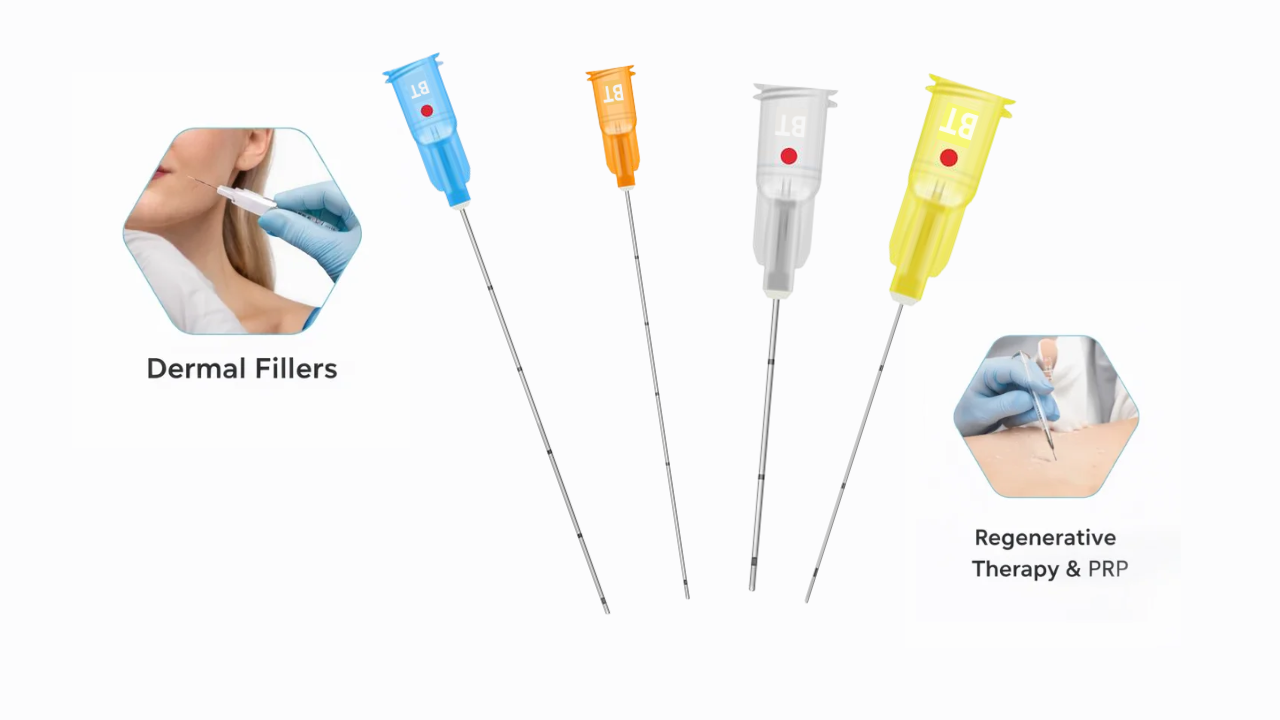
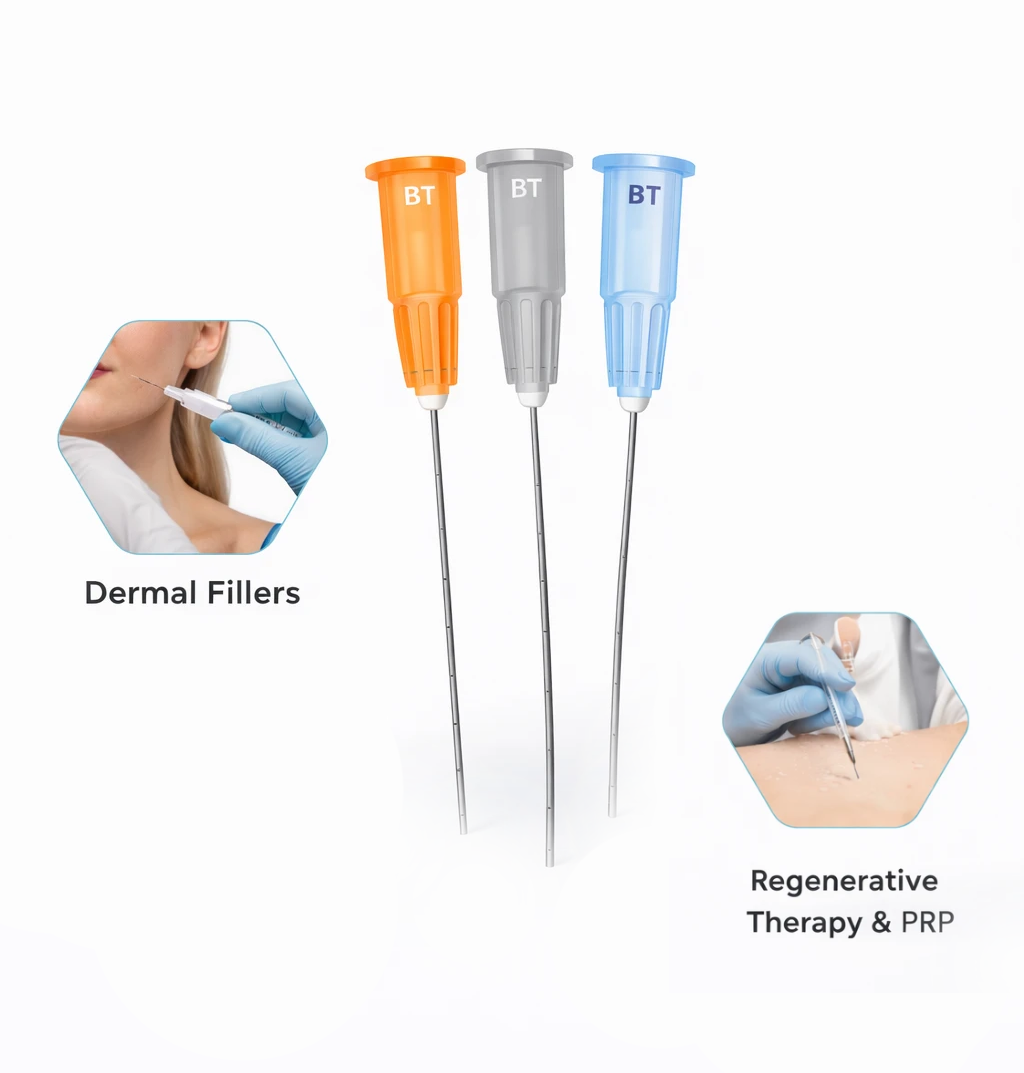
A Micro Cannula is a very thin and flexible tube. It used to deliver fillers or other substances under the skin. A micro cannula doesn’t have a sharp tip like other needles. This is the key difference. Opting for it causes less bleeding and bruising. These are called syringe-compatible blunt-tip microcannulas. Gauge works backward. So 22G is thicker than 25G.
Why Professionals Prefer Micro Cannulas in the Aesthetic Industry
The clinical preference for facial and body injection microcannulas over traditional needles is backed by distinct structural and safety advantages.
Enhanced safety for patients
There is always a chance of hitting a blood vessel with a sharp needle. If fillers enter a blood vessel, they can block blood flow. That is actually a serious problem. Wider cannulas tend to push vessels aside more than finer ones. However, very thin cannulas can still pierce vessels if force is used or anatomy is atypical. Blunt cannulas reduce risk but do not eliminate it.
Improved comfort during procedure
Let’s be honest! Nobody loves getting injections. But cannulas make the process a lot easier to handle. With a traditional needle, the injector has to poke the skin multiple times to cover an area. With a cannula, they use a traditional sharp needle to create just one or two small entry points. And then slide the flexible cannula through that opening to move around under the skin and deliver the filler evenly.
Precision Placement
When you are working on delicate areas like the under-eyes, spreading filler evenly is everything. Too much filler in the wrong spot looks unnatural. A cannula gives the injector excellent control over sweeping volume placement. The cannula can bend slightly to follow the face’s natural curves because it is flexible. This makes it easier to place filler smoothly.
Applications of Micro Cannulas in Aesthetic Procedures
Now, microcannulas for facial and body injections are used in various treatments. Here are the common procedures:
Under-eye rejuvenation
This area is one of the most sensitive parts. It is thin, it has lots of small blood vessels, and it bruises very easily. A sharp needle in this area can cause a lot of bruising and swelling. Opting for blunt-tip microcannulas is actually a wise decision.
Lip enhancement
Lips are an area where smooth volume really matters. People want fuller lips. But they don’t want lumps or unevenness. Cannulas allow the injector to spread the filler smoothly and evenly throughout the lip. It actually gives a very natural look. However, because cannulas lack pinpoint precision, many injectors still switch to a traditional needle to define crisp edges.
Facial contouring
Whether it is the cheeks or chin, cannulas can add structure and shape to the face. The blunt-tip microcannula injection technique lets the injector work in deeper layers of tissue. This is why cannulas have become so popular in the U.S.
Professional Training on Micro Cannula
Using a cannula isn’t just a matter of swapping out a needle. It takes real training and hands-on practice. Here’s what professionals need to learn.
Facial anatomy
You have to know the face inside and out. Knowing where the blood vessels and muscles are located helps the injector avoid complications.
Injection depth
Different areas of the face need filler placed at different depths. The filler can look lumpy or uneven if it is too shallow. Too deep and it may not give the desired effect. Professionals learn how deep to go for each treatment area.
Cannula sizing
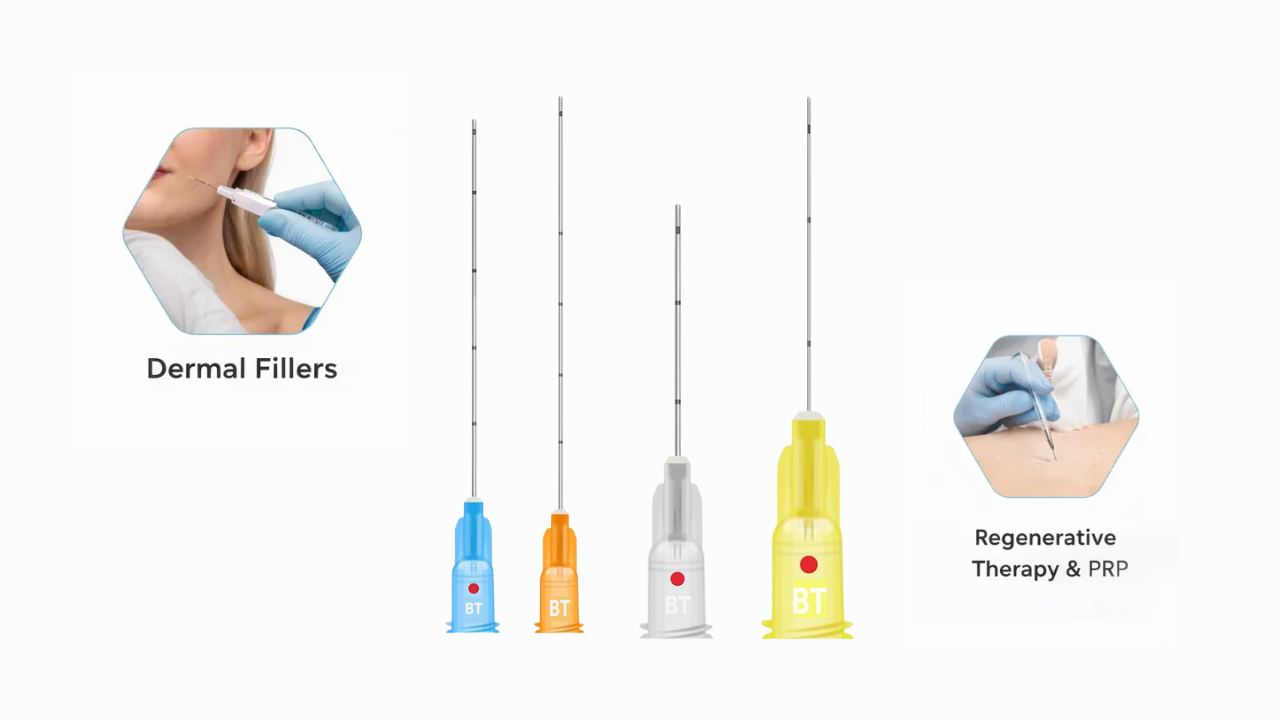
You can find different thickness and length options in cannulas. Thinner cannulas work better for sensitive areas. Thicker ones are used for larger areas. Professionals choose different sizes for different treatments.
Entry point techniques
With a cannula, the injector only needs one or two entry points per area. But choosing the right spot for that entry point matters a lot. A perfect entry point makes the whole treatment smoother for the patient.
Factors Influencing Microcannula Selection
Not every treatment calls for the same cannula. Several things affect which one a professional will choose.
Treatment area
The face has many zones, each with different needs. The right cannula for the job depends on where you’re working.
Type of filler used
Some fillers are thick and need a wider cannula to flow through. Matching the cannula size to the filler type helps ensure consistent delivery.
Desired injection depth
As mentioned earlier, depth matters. Deeper placements for volume or structural work may use larger or longer cannulas.
Patient anatomy
Every patient is different. Some people have thicker skin, some have very thin tissue. A good injector adjusts their cannula choice based on the individual patient’s anatomy.
Quality of Micro Cannulas
Not all cannulas are created equal. The quality of the tool makes a real difference in the outcome of the treatment. Here’s what to look for.
Flexibility level
A good cannula should bend slightly without breaking. This flexibility lets it navigate through tissue smoothly. If it is too rigid, it can cause more trauma.
Strong structural integrity
This ties into the idea of minimizing the risk of microcannula breakage. A cannula that breaks inside a patient is rare but serious. That’s why medical-grade microcannula quality is so important.
Consistent flow of fillers
A quality cannula helps the filler flow through it evenly. The filler may not come out smoothly if there are any inconsistencies in the tube.
Minimization of tissue resistance
A smooth cannula tip and body help it glide through tissue more easily. Less resistance means less discomfort and less bruising for the patient.
Why Is the Demand for Micro Cannulas Increasing?
The short answer? They work great, and people love the results. But let’s look at the specific reasons.
Natural-looking results
One of the biggest complaints about older filler techniques was that they look unnatural. Microcannula solutions help change that. Because the filler is spread more evenly. The results tend to blend in with the face’s natural structure.
Minimal downtime
People often walk out of the clinic with visible issues when they have used traditional needles. But cannulas made a huge difference here. You can resume your normal routine the same day or the next morning.
Lower risk of complications
We have already talked about the safety benefits. Fewer vascular complications, less bruising, less swelling — all of this adds up to a safer treatment experience overall. However, clinics must have emergency protocols and hyaluronidase available for HA fillers.
Comfortable treatment experience
A clinic that uses cannulas and has happy, comfortable patients will build a strong reputation over time. Comfort is not just a nice bonus — it is good for business too.
Conclusion
The rise of micro cannulas in the beauty industry is not a trend. It is actually a change in how professionals use injectable treatments. The tools are better, and the techniques are more refined. The results are also more natural. This is where BLUNTIP-USA comes into play. Our micro cannula solutions are safer than traditional needles. For providers, our solutions are the ultimate option to deliver safe and precise results.